Buy billionairemindset.eu ?
We are moving the project
billionairemindset.eu .
Are you interested in purchasing the domain
billionairemindset.eu ?
domain@kv-gmbh.de · 0541-91531010
Buy billionairemindset.eu ?
What are sensory cells, sensory organs, and senses?
Sensory cells are specialized cells that detect and respond to specific stimuli, such as light, sound, touch, taste, and smell. These cells are found in sensory organs, which are structures in the body that contain sensory cells and are responsible for detecting and transmitting sensory information to the brain. The senses, on the other hand, are the physiological capacities of organisms that provide data for perception. They include sight, hearing, touch, taste, and smell, and are essential for experiencing and interacting with the environment. **
What is the difference between a primary sensory cell, a secondary sensory cell, and a sensory nerve cell?
Primary sensory cells are specialized cells that directly detect stimuli from the environment, such as light, sound, or touch. Secondary sensory cells receive signals from primary sensory cells and transmit them to the central nervous system. Sensory nerve cells, also known as sensory neurons, are responsible for transmitting the signals from secondary sensory cells to the brain, where they are processed and interpreted. In summary, primary sensory cells detect stimuli, secondary sensory cells relay the signals, and sensory nerve cells transmit the signals to the brain for processing. **


Similar search terms for Sensory
Top-Angebote
Products related to Sensory:
-
John Murray You Are a Badass at Making Money by Jen Sincero – Master the Mindset of Wealth & Financial SuccessYou Are a Badass at Making Money: Master the Mindset of Wealth (you are a badass book) Description From the author of You Are A Badass; the New Your Times bestselling book everyone is talking about. YOU ARE A BADASS AT MAKING MONEY is the book you need if you've spent too much time watching money land in your bank account and then roll through your fingers. Jen Sincero went from living in a converted garage to traveling the world in 5-star luxury in a matter of years; and knows all too well the layers of BS one can get wrapped up in around money; as well as what it takes to dig your way out. In this funny; fascinating and practical book she goes in-depth on how powerful our thoughts are and how our bank accounts are mirrors for our beliefs about money. YOU ARE A BADASS AT MAKING MONEY combines laugh out loud comedy with life-changing concepts; all boiled down into manageable; bite-sized tips so that YOU can put them into practice and get life changing results.2,95 £*Shipping: 1,99 £Secure redirect to the provider
-
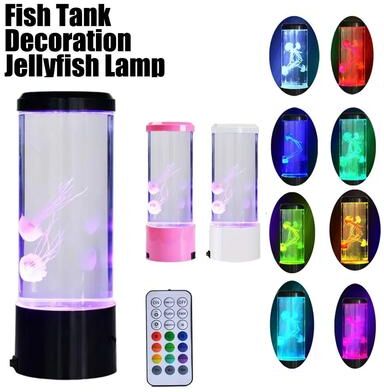
Uplift Essentials Floating Jellyfish Sensory Mood Lamp Floating Jellyfish Sensory Mood LampDive into a world of tranquility with the Floating Jellyfish Sensory Mood Lamp, a mesmerizing centerpiece designed to bring the calming depths of the ocean into your living space. This highdefinition aquarium uses advanced fluid dynamics to create a...72,97 $*Shipping: 0,00 $Secure redirect to the provider
-
Inspired Living Auspicious Wealth Brass Tea Cup Feng Shui Cornucopia Baifu Mug For Prosperity & Home Decor 2Let every sip invite abundance into your life. This beautifully crafted Feng Shui tea cup is more than drinkwareits a symbol of prosperity, designed for those who value intention and tradition. Made from polished brass with intricate Baifu (Hundred...28,97 $*Shipping: 0,00 $Secure redirect to the provider


-
Are receptors sensory cells?
Receptors are not sensory cells themselves, but they are specialized proteins located on the surface of sensory cells. These receptors are responsible for detecting and responding to specific stimuli, such as light, sound, taste, or smell. When a receptor is activated by a stimulus, it triggers a series of biochemical reactions within the sensory cell, ultimately leading to the generation of a sensory signal that can be transmitted to the brain for processing. Therefore, while receptors are not sensory cells, they play a crucial role in the sensory process by detecting and transducing stimuli into neural signals. **
-
What is sensory perception?
Sensory perception refers to the process of receiving and interpreting information from the environment through the senses. This includes the five main senses of sight, hearing, touch, taste, and smell, as well as other sensory experiences such as balance, proprioception, and temperature. The brain then processes this sensory information to create a perception of the world around us, allowing us to interact with and understand our surroundings. Sensory perception is essential for everyday functioning and plays a crucial role in how we experience and navigate the world. **
-
How does sensory development progress?
Sensory development progresses through a series of stages, beginning with basic sensory experiences such as touch, taste, and smell in infancy. As children grow, they develop more refined sensory abilities, such as improved vision and hearing, and begin to integrate sensory information to make sense of their environment. This process continues into adolescence and adulthood, with individuals becoming more adept at interpreting and responding to sensory stimuli. Overall, sensory development progresses from basic sensory experiences to more complex and integrated sensory abilities as individuals mature. **
-
Why is sensory transduction necessary?
Sensory transduction is necessary because it allows the body to convert various forms of environmental stimuli, such as light, sound, touch, and chemical signals, into electrical signals that can be interpreted by the nervous system. This process is essential for the body to perceive and respond to its surroundings, allowing for the detection of potential dangers, the regulation of bodily functions, and the experience of sensations such as taste, smell, and touch. Without sensory transduction, the body would not be able to effectively interact with its environment and respond to changes in its surroundings. **

What are artificial sensory organs?
Artificial sensory organs are devices designed to mimic the functions of natural sensory organs, such as the eyes, ears, and skin. These devices use advanced technology to detect and process sensory information, allowing individuals to perceive and interact with their environment in a way that is similar to natural sensory organs. Artificial sensory organs have the potential to enhance or restore sensory capabilities for individuals with disabilities, as well as to provide new sensory experiences for people without impairments. These technologies have the potential to revolutionize healthcare and human-computer interaction. **
What are sensory nerve cells?
Sensory nerve cells, also known as sensory neurons, are specialized cells that transmit information from the body's sensory organs (such as the skin, eyes, ears, nose, and tongue) to the central nervous system. These cells are responsible for detecting various stimuli, such as touch, temperature, pain, and pressure, and converting these stimuli into electrical signals that can be interpreted by the brain. Sensory nerve cells play a crucial role in allowing us to perceive and respond to our environment. **
Top-Angebote
Products related to Sensory:
-
Quick Pick Pro Abundance And Prosperity Ritual Candle, Soy Wax Scented Candle With Crystal, Home Aromatherapy Gift Abundance And Prosperity Ritual Candle, Soy Wax Scented Candle With Crystal, Home Aromatherapy GiftImagine a moment of pure, intentional calm. Our Abundance and Prosperity Crystal Ritual Candle is more than a source of light; it's a beautifully crafted tool for manifestation and creating a sanctuary of peace in your home.Handpoured with natural,...29,97 $*Shipping: 0,00 $Secure redirect to the provider
-
Wilco Publishing Think and Grow Rich by Napoleon Hill Classic Personal Development, Success, Wealth, Mindset & Motivation Self Help BookDiscover one of the most influential personal development classics with Think and Grow Rich by Napoleon Hill. Originally published in 1937, Think and Grow Rich explores the principles and habits Hill associated with achievement, ambition, persistence, goal setting and personal success. Rather than focusing solely on money, the book examines how mindset, clear goals, determination and consistent action can influence progress towards personal and professional ambitions. Hill presents principles intended to help readers develop greater focus, confidence and persistence when pursuing their goals. A longstanding classic in the fields of self-help, motivation, business and personal development, Think and Grow Rich remains popular with entrepreneurs, professionals and readers interested in improving their approach to achievement and success. Whether you're building a personal development library, looking for motivational reading or searching for a gift for an aspiring entrepreneur, this enduring classic is an excellent choice. Key Features Classic personal development book by Napoleon Hill Focuses on success, mindset and goal setting Explores motivation, persistence and achievement Popular with entrepreneurs and business readers Ideal for self-improvement and motivational reading Timeless addition to a personal development library Great gift for business and self-help readers2,99 £*Shipping: 1,99 £Secure redirect to the provider
-
John Murray You Are a Badass at Making Money by Jen Sincero – Master the Mindset of Wealth & Financial SuccessYou Are a Badass at Making Money: Master the Mindset of Wealth (you are a badass book) Description From the author of You Are A Badass; the New Your Times bestselling book everyone is talking about. YOU ARE A BADASS AT MAKING MONEY is the book you need if you've spent too much time watching money land in your bank account and then roll through your fingers. Jen Sincero went from living in a converted garage to traveling the world in 5-star luxury in a matter of years; and knows all too well the layers of BS one can get wrapped up in around money; as well as what it takes to dig your way out. In this funny; fascinating and practical book she goes in-depth on how powerful our thoughts are and how our bank accounts are mirrors for our beliefs about money. YOU ARE A BADASS AT MAKING MONEY combines laugh out loud comedy with life-changing concepts; all boiled down into manageable; bite-sized tips so that YOU can put them into practice and get life changing results.2,95 £*Shipping: 1,99 £Secure redirect to the provider
-
Uplift Essentials Floating Jellyfish Sensory Mood Lamp Floating Jellyfish Sensory Mood LampDive into a world of tranquility with the Floating Jellyfish Sensory Mood Lamp, a mesmerizing centerpiece designed to bring the calming depths of the ocean into your living space. This highdefinition aquarium uses advanced fluid dynamics to create a...72,97 $*Shipping: 0,00 $Secure redirect to the provider
-
What are sensory cells, sensory organs, and senses?
Sensory cells are specialized cells that detect and respond to specific stimuli, such as light, sound, touch, taste, and smell. These cells are found in sensory organs, which are structures in the body that contain sensory cells and are responsible for detecting and transmitting sensory information to the brain. The senses, on the other hand, are the physiological capacities of organisms that provide data for perception. They include sight, hearing, touch, taste, and smell, and are essential for experiencing and interacting with the environment. **
-
What is the difference between a primary sensory cell, a secondary sensory cell, and a sensory nerve cell?
Primary sensory cells are specialized cells that directly detect stimuli from the environment, such as light, sound, or touch. Secondary sensory cells receive signals from primary sensory cells and transmit them to the central nervous system. Sensory nerve cells, also known as sensory neurons, are responsible for transmitting the signals from secondary sensory cells to the brain, where they are processed and interpreted. In summary, primary sensory cells detect stimuli, secondary sensory cells relay the signals, and sensory nerve cells transmit the signals to the brain for processing. **
-
Are receptors sensory cells?
Receptors are not sensory cells themselves, but they are specialized proteins located on the surface of sensory cells. These receptors are responsible for detecting and responding to specific stimuli, such as light, sound, taste, or smell. When a receptor is activated by a stimulus, it triggers a series of biochemical reactions within the sensory cell, ultimately leading to the generation of a sensory signal that can be transmitted to the brain for processing. Therefore, while receptors are not sensory cells, they play a crucial role in the sensory process by detecting and transducing stimuli into neural signals. **
-
What is sensory perception?
Sensory perception refers to the process of receiving and interpreting information from the environment through the senses. This includes the five main senses of sight, hearing, touch, taste, and smell, as well as other sensory experiences such as balance, proprioception, and temperature. The brain then processes this sensory information to create a perception of the world around us, allowing us to interact with and understand our surroundings. Sensory perception is essential for everyday functioning and plays a crucial role in how we experience and navigate the world. **
Similar search terms for Sensory
-
Inspired Living Auspicious Wealth Brass Tea Cup Feng Shui Cornucopia Baifu Mug For Prosperity & Home Decor 2Let every sip invite abundance into your life. This beautifully crafted Feng Shui tea cup is more than drinkwareits a symbol of prosperity, designed for those who value intention and tradition. Made from polished brass with intricate Baifu (Hundred...28,97 $*Shipping: 0,00 $Secure redirect to the provider
-
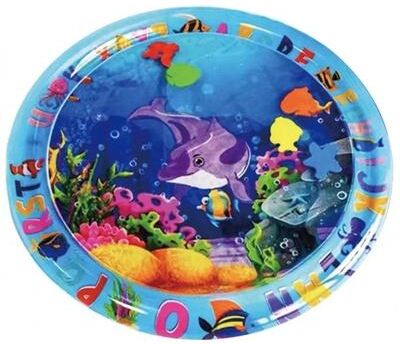
Inspired Finds Interactive Floating Fish Water Sensory Play Mat For Cats sensory MatTurn ordinary playtime into a captivating sensory adventure for your pet. This interactive cat mat features a waterfilled design with floating fish elements that move and shift as your cat paws, presses, and explores the surface. The engaging motion...34,99 $*Shipping: 0,00 $Secure redirect to the provider
-
Quick Pick Pro Stretchable Pop Tubes Sensory Stress Relief Toy Kids Party Favors & Dog Sensory Toy Pack Stretchable Pop Tubes Sensory Stress Relief Toy Kids Party Favors & Dog Sensory Toy PackTurn everyday fidgeting into fun, calming play with pop tubes sensory toy designed to entertain, soothe, and engage both kids and pets. This colorful 10piece set transforms simple movement into satisfying sound and motion that keeps hands busy and...29,97 $*Shipping: 0,00 $Secure redirect to the provider
-
How does sensory development progress?
Sensory development progresses through a series of stages, beginning with basic sensory experiences such as touch, taste, and smell in infancy. As children grow, they develop more refined sensory abilities, such as improved vision and hearing, and begin to integrate sensory information to make sense of their environment. This process continues into adolescence and adulthood, with individuals becoming more adept at interpreting and responding to sensory stimuli. Overall, sensory development progresses from basic sensory experiences to more complex and integrated sensory abilities as individuals mature. **
-
Why is sensory transduction necessary?
Sensory transduction is necessary because it allows the body to convert various forms of environmental stimuli, such as light, sound, touch, and chemical signals, into electrical signals that can be interpreted by the nervous system. This process is essential for the body to perceive and respond to its surroundings, allowing for the detection of potential dangers, the regulation of bodily functions, and the experience of sensations such as taste, smell, and touch. Without sensory transduction, the body would not be able to effectively interact with its environment and respond to changes in its surroundings. **
-
What are artificial sensory organs?
Artificial sensory organs are devices designed to mimic the functions of natural sensory organs, such as the eyes, ears, and skin. These devices use advanced technology to detect and process sensory information, allowing individuals to perceive and interact with their environment in a way that is similar to natural sensory organs. Artificial sensory organs have the potential to enhance or restore sensory capabilities for individuals with disabilities, as well as to provide new sensory experiences for people without impairments. These technologies have the potential to revolutionize healthcare and human-computer interaction. **
-
What are sensory nerve cells?
Sensory nerve cells, also known as sensory neurons, are specialized cells that transmit information from the body's sensory organs (such as the skin, eyes, ears, nose, and tongue) to the central nervous system. These cells are responsible for detecting various stimuli, such as touch, temperature, pain, and pressure, and converting these stimuli into electrical signals that can be interpreted by the brain. Sensory nerve cells play a crucial role in allowing us to perceive and respond to our environment. **
* All prices are inclusive of VAT and, if applicable, plus shipping costs. The offer information is based on the details provided by the respective shop and is updated through automated processes. Real-time updates do not occur, so deviations can occur in individual cases. ** Note: Parts of this content were created by AI.