Buy billionairemindset.eu ?
We are moving the project
billionairemindset.eu .
Are you interested in purchasing the domain
billionairemindset.eu ?
domain@kv-gmbh.de · 0541-91531010
Buy billionairemindset.eu ?
Which cells have chloroplasts?
Chloroplasts are found in plant cells and some algae cells. **
How are chloroplasts structured?
Chloroplasts are double-membrane organelles found in plant cells that contain their own DNA and ribosomes. They have a fluid-filled interior called the stroma, where the process of photosynthesis takes place. Within the stroma are stacks of thylakoid membranes called grana, which contain chlorophyll and other pigments that capture light energy. The thylakoid membranes are where the light-dependent reactions of photosynthesis occur, producing ATP and NADPH. Overall, the structure of chloroplasts is highly specialized for the process of photosynthesis, allowing plants to convert light energy into chemical energy. **


Similar search terms for Chloroplasts
Top-Angebote
Products related to Chloroplasts:
-
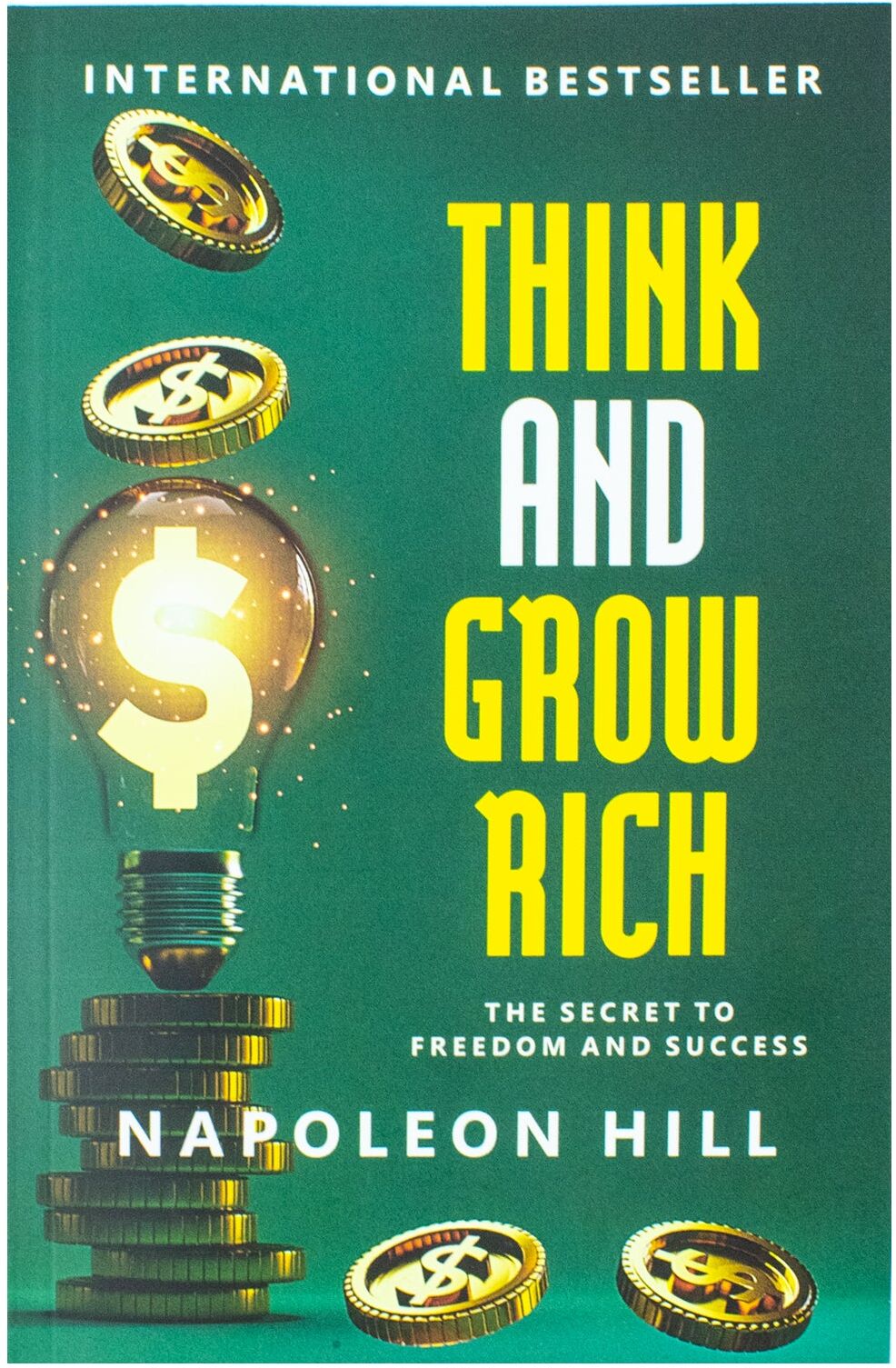
Wilco Publishing Think and Grow Rich by Napoleon Hill Classic Personal Development, Success, Wealth, Mindset & Motivation Self Help BookDiscover one of the most influential personal development classics with Think and Grow Rich by Napoleon Hill. Originally published in 1937, Think and Grow Rich explores the principles and habits Hill associated with achievement, ambition, persistence, goal setting and personal success. Rather than focusing solely on money, the book examines how mindset, clear goals, determination and consistent action can influence progress towards personal and professional ambitions. Hill presents principles intended to help readers develop greater focus, confidence and persistence when pursuing their goals. A longstanding classic in the fields of self-help, motivation, business and personal development, Think and Grow Rich remains popular with entrepreneurs, professionals and readers interested in improving their approach to achievement and success. Whether you're building a personal development library, looking for motivational reading or searching for a gift for an aspiring entrepreneur, this enduring classic is an excellent choice. Key Features Classic personal development book by Napoleon Hill Focuses on success, mindset and goal setting Explores motivation, persistence and achievement Popular with entrepreneurs and business readers Ideal for self-improvement and motivational reading Timeless addition to a personal development library Great gift for business and self-help readers2,99 £*Shipping: 1,99 £Secure redirect to the provider
-
Inspired Living Auspicious Wealth Brass Tea Cup Feng Shui Cornucopia Baifu Mug For Prosperity & Home Decor 1Let every sip invite abundance into your life. This beautifully crafted Feng Shui tea cup is more than drinkwareits a symbol of prosperity, designed for those who value intention and tradition. Made from polished brass with intricate Baifu (Hundred...28,97 $*Shipping: 0,00 $Secure redirect to the provider
-
Uplift Essentials Wealth Attracting Brass Tea Cup 2.4 In Polished Baifu Cornucopia High Yield Prosperity Interaction Hub style 2Achieve metaphysical optimization with this Precision Brass Auspicious Mug. Specifically engineered for abundance transparency, this highperformance technical tool acts as a vital tool for manifestation efficiency, neutralizing the limitations of...37,97 $*Shipping: 0,00 $Secure redirect to the provider
-
Uttermost Abundance Potted Olive TreeAiry, Life-like Sprays Of Olive Tree Foliage Nestled Into A Contemporary Concrete Cube In Aged Charcoal With Faux Soil. Uttermost's Botanicals Combine Premium Quality Materials With Unique High-style Design.1339,20 $*Shipping: 0,00 $Secure redirect to the provider



-
What are mitochondria and chloroplasts?
Mitochondria are membrane-bound organelles found in the cells of eukaryotic organisms, responsible for producing energy in the form of ATP through cellular respiration. They have their own DNA and are thought to have originated from ancient bacteria through endosymbiosis. Chloroplasts are also membrane-bound organelles found in plant cells and some protists, responsible for photosynthesis, the process by which they convert sunlight into energy-rich molecules like glucose. Like mitochondria, chloroplasts also have their own DNA and are believed to have originated from ancient photosynthetic bacteria through endosymbiosis. **
-
Can humans also have chloroplasts?
No, humans cannot have chloroplasts. Chloroplasts are organelles found in plant cells that are responsible for photosynthesis, the process by which plants convert sunlight into energy. Humans do not have chloroplasts because they do not undergo photosynthesis. Instead, humans rely on the consumption of plants and other organisms to obtain the energy they need for survival. **
-
How are chloroplasts and plastids formed?
Chloroplasts and plastids are formed through a process called biogenesis, which involves the replication of existing organelles. They are believed to have originated from endosymbiotic cyanobacteria that were engulfed by a eukaryotic cell. Over time, these cyanobacteria evolved into chloroplasts and plastids, developing a symbiotic relationship with the host cell. This process allowed for the transfer of genetic material between the organelles and the host cell, leading to the formation of chloroplasts and plastids as we know them today. **
-
What are the functions of chloroplasts?
Chloroplasts are the organelles responsible for photosynthesis in plant cells. Their main function is to capture light energy and convert it into chemical energy in the form of glucose, which serves as the primary source of energy for the plant. Chloroplasts also contain chlorophyll, the green pigment that gives plants their color and is essential for the absorption of light during photosynthesis. Additionally, chloroplasts are involved in the synthesis of other important molecules, such as amino acids and lipids, and play a role in the regulation of cellular metabolism. **


Why do chloroplasts have a double membrane?
Chloroplasts have a double membrane because they are believed to have originated from a process called endosymbiosis, where a eukaryotic cell engulfed a photosynthetic prokaryote. The double membrane likely represents the original prokaryotic cell's plasma membrane and the membrane of the vesicle that engulfed it. This double membrane structure helps protect the chloroplast's internal structures and allows for compartmentalization of different metabolic processes within the organelle. **
In which leaf cells are chloroplasts located?
Chloroplasts are located in the mesophyll cells of the leaf. Mesophyll cells are the main site of photosynthesis in the leaf, and they contain numerous chloroplasts, which are responsible for capturing light energy and converting it into chemical energy through the process of photosynthesis. The chloroplasts contain the pigment chlorophyll, which gives leaves their green color and is essential for the absorption of light energy. **
Top-Angebote
Products related to Chloroplasts:
-
Quick Pick Pro Abundance And Prosperity Ritual Candle, Soy Wax Scented Candle With Crystal, Home Aromatherapy Gift Abundance And Prosperity Ritual Candle, Soy Wax Scented Candle With Crystal, Home Aromatherapy GiftImagine a moment of pure, intentional calm. Our Abundance and Prosperity Crystal Ritual Candle is more than a source of light; it's a beautifully crafted tool for manifestation and creating a sanctuary of peace in your home.Handpoured with natural,...29,97 $*Shipping: 0,00 $Secure redirect to the provider
-
John Murray You Are a Badass at Making Money by Jen Sincero – Master the Mindset of Wealth & Financial SuccessYou Are a Badass at Making Money: Master the Mindset of Wealth (you are a badass book) Description From the author of You Are A Badass; the New Your Times bestselling book everyone is talking about. YOU ARE A BADASS AT MAKING MONEY is the book you need if you've spent too much time watching money land in your bank account and then roll through your fingers. Jen Sincero went from living in a converted garage to traveling the world in 5-star luxury in a matter of years; and knows all too well the layers of BS one can get wrapped up in around money; as well as what it takes to dig your way out. In this funny; fascinating and practical book she goes in-depth on how powerful our thoughts are and how our bank accounts are mirrors for our beliefs about money. YOU ARE A BADASS AT MAKING MONEY combines laugh out loud comedy with life-changing concepts; all boiled down into manageable; bite-sized tips so that YOU can put them into practice and get life changing results.2,95 £*Shipping: 1,99 £Secure redirect to the provider
-
Wilco Publishing Think and Grow Rich by Napoleon Hill Classic Personal Development, Success, Wealth, Mindset & Motivation Self Help BookDiscover one of the most influential personal development classics with Think and Grow Rich by Napoleon Hill. Originally published in 1937, Think and Grow Rich explores the principles and habits Hill associated with achievement, ambition, persistence, goal setting and personal success. Rather than focusing solely on money, the book examines how mindset, clear goals, determination and consistent action can influence progress towards personal and professional ambitions. Hill presents principles intended to help readers develop greater focus, confidence and persistence when pursuing their goals. A longstanding classic in the fields of self-help, motivation, business and personal development, Think and Grow Rich remains popular with entrepreneurs, professionals and readers interested in improving their approach to achievement and success. Whether you're building a personal development library, looking for motivational reading or searching for a gift for an aspiring entrepreneur, this enduring classic is an excellent choice. Key Features Classic personal development book by Napoleon Hill Focuses on success, mindset and goal setting Explores motivation, persistence and achievement Popular with entrepreneurs and business readers Ideal for self-improvement and motivational reading Timeless addition to a personal development library Great gift for business and self-help readers2,99 £*Shipping: 1,99 £Secure redirect to the provider
-
Inspired Living Auspicious Wealth Brass Tea Cup Feng Shui Cornucopia Baifu Mug For Prosperity & Home Decor 1Let every sip invite abundance into your life. This beautifully crafted Feng Shui tea cup is more than drinkwareits a symbol of prosperity, designed for those who value intention and tradition. Made from polished brass with intricate Baifu (Hundred...28,97 $*Shipping: 0,00 $Secure redirect to the provider
-
Which cells have chloroplasts?
Chloroplasts are found in plant cells and some algae cells. **
-
How are chloroplasts structured?
Chloroplasts are double-membrane organelles found in plant cells that contain their own DNA and ribosomes. They have a fluid-filled interior called the stroma, where the process of photosynthesis takes place. Within the stroma are stacks of thylakoid membranes called grana, which contain chlorophyll and other pigments that capture light energy. The thylakoid membranes are where the light-dependent reactions of photosynthesis occur, producing ATP and NADPH. Overall, the structure of chloroplasts is highly specialized for the process of photosynthesis, allowing plants to convert light energy into chemical energy. **
-
What are mitochondria and chloroplasts?
Mitochondria are membrane-bound organelles found in the cells of eukaryotic organisms, responsible for producing energy in the form of ATP through cellular respiration. They have their own DNA and are thought to have originated from ancient bacteria through endosymbiosis. Chloroplasts are also membrane-bound organelles found in plant cells and some protists, responsible for photosynthesis, the process by which they convert sunlight into energy-rich molecules like glucose. Like mitochondria, chloroplasts also have their own DNA and are believed to have originated from ancient photosynthetic bacteria through endosymbiosis. **
-
Can humans also have chloroplasts?
No, humans cannot have chloroplasts. Chloroplasts are organelles found in plant cells that are responsible for photosynthesis, the process by which plants convert sunlight into energy. Humans do not have chloroplasts because they do not undergo photosynthesis. Instead, humans rely on the consumption of plants and other organisms to obtain the energy they need for survival. **
Similar search terms for Chloroplasts
-
Uplift Essentials Wealth Attracting Brass Tea Cup 2.4 In Polished Baifu Cornucopia High Yield Prosperity Interaction Hub style 2Achieve metaphysical optimization with this Precision Brass Auspicious Mug. Specifically engineered for abundance transparency, this highperformance technical tool acts as a vital tool for manifestation efficiency, neutralizing the limitations of...37,97 $*Shipping: 0,00 $Secure redirect to the provider
-
Uttermost Abundance Potted Olive TreeAiry, Life-like Sprays Of Olive Tree Foliage Nestled Into A Contemporary Concrete Cube In Aged Charcoal With Faux Soil. Uttermost's Botanicals Combine Premium Quality Materials With Unique High-style Design.1339,20 $*Shipping: 0,00 $Secure redirect to the provider
-
Wilco International LLP Worlds Greatest Motivational Books for Self Help, Success and Wealth 4 Books Collection SetTitles in this set: Think and Grow Rich The Richest Man in Babylon The Power of your Subconscious Mind How to Win Friends & Influence People A collection of world's timeless classics, this box set includes the four greatest bestsellers, which have inspired readers for generations. Packed with wisdom and time-tested principles that are as relevant in modern times as ever before, these inspirational books are a must-read for all those aspiring for personal growth and wealth.9,95 £*Shipping: 2,99 £Secure redirect to the provider
-
Uplift Essentials Minimalist Mindset Definition Canvas Inspirational Success & Focus Poster For Modern Home Decor success 15.7 X 23.6 InDefine your space with the power of words using our minimalist text inspirational black poster. Designed for those who live by a growth mindset, this collection features clean, dictionarystyle definitions of Success, Focus, and Patience. Whether you...54,97 $*Shipping: 0,00 $Secure redirect to the provider
-
How are chloroplasts and plastids formed?
Chloroplasts and plastids are formed through a process called biogenesis, which involves the replication of existing organelles. They are believed to have originated from endosymbiotic cyanobacteria that were engulfed by a eukaryotic cell. Over time, these cyanobacteria evolved into chloroplasts and plastids, developing a symbiotic relationship with the host cell. This process allowed for the transfer of genetic material between the organelles and the host cell, leading to the formation of chloroplasts and plastids as we know them today. **
-
What are the functions of chloroplasts?
Chloroplasts are the organelles responsible for photosynthesis in plant cells. Their main function is to capture light energy and convert it into chemical energy in the form of glucose, which serves as the primary source of energy for the plant. Chloroplasts also contain chlorophyll, the green pigment that gives plants their color and is essential for the absorption of light during photosynthesis. Additionally, chloroplasts are involved in the synthesis of other important molecules, such as amino acids and lipids, and play a role in the regulation of cellular metabolism. **
-
Why do chloroplasts have a double membrane?
Chloroplasts have a double membrane because they are believed to have originated from a process called endosymbiosis, where a eukaryotic cell engulfed a photosynthetic prokaryote. The double membrane likely represents the original prokaryotic cell's plasma membrane and the membrane of the vesicle that engulfed it. This double membrane structure helps protect the chloroplast's internal structures and allows for compartmentalization of different metabolic processes within the organelle. **
-
In which leaf cells are chloroplasts located?
Chloroplasts are located in the mesophyll cells of the leaf. Mesophyll cells are the main site of photosynthesis in the leaf, and they contain numerous chloroplasts, which are responsible for capturing light energy and converting it into chemical energy through the process of photosynthesis. The chloroplasts contain the pigment chlorophyll, which gives leaves their green color and is essential for the absorption of light energy. **
* All prices are inclusive of VAT and, if applicable, plus shipping costs. The offer information is based on the details provided by the respective shop and is updated through automated processes. Real-time updates do not occur, so deviations can occur in individual cases. ** Note: Parts of this content were created by AI.