Buy billionairemindset.eu ?
We are moving the project
billionairemindset.eu .
Are you interested in purchasing the domain
billionairemindset.eu ?
domain@kv-gmbh.de · 0541-91531010
Buy billionairemindset.eu ?
What is epistemology?
Epistemology is the branch of philosophy that deals with the nature, scope, and limitations of knowledge. It seeks to understand how we acquire knowledge, what constitutes knowledge, and how we can justify our beliefs. Epistemology explores questions such as: What is the difference between belief and knowledge? How do we know what we know? What are the sources of knowledge? It also examines the relationship between knowledge, truth, and belief. Overall, epistemology is concerned with understanding the nature of knowledge and the processes by which we come to know things. **
What is Kant's epistemology?
Kant's epistemology is centered around the idea that our knowledge of the world is shaped by both our sensory experiences and our innate mental structures. He argued that our minds actively organize and interpret sensory input, rather than passively receiving information from the external world. Kant also introduced the concept of synthetic a priori knowledge, which refers to truths that are not derived from experience but are necessary for our understanding of the world. Overall, Kant's epistemology emphasizes the role of reason and the mind in shaping our knowledge and understanding of reality. **


Similar search terms for Epistemology
Top-Angebote
Products related to Epistemology:
-
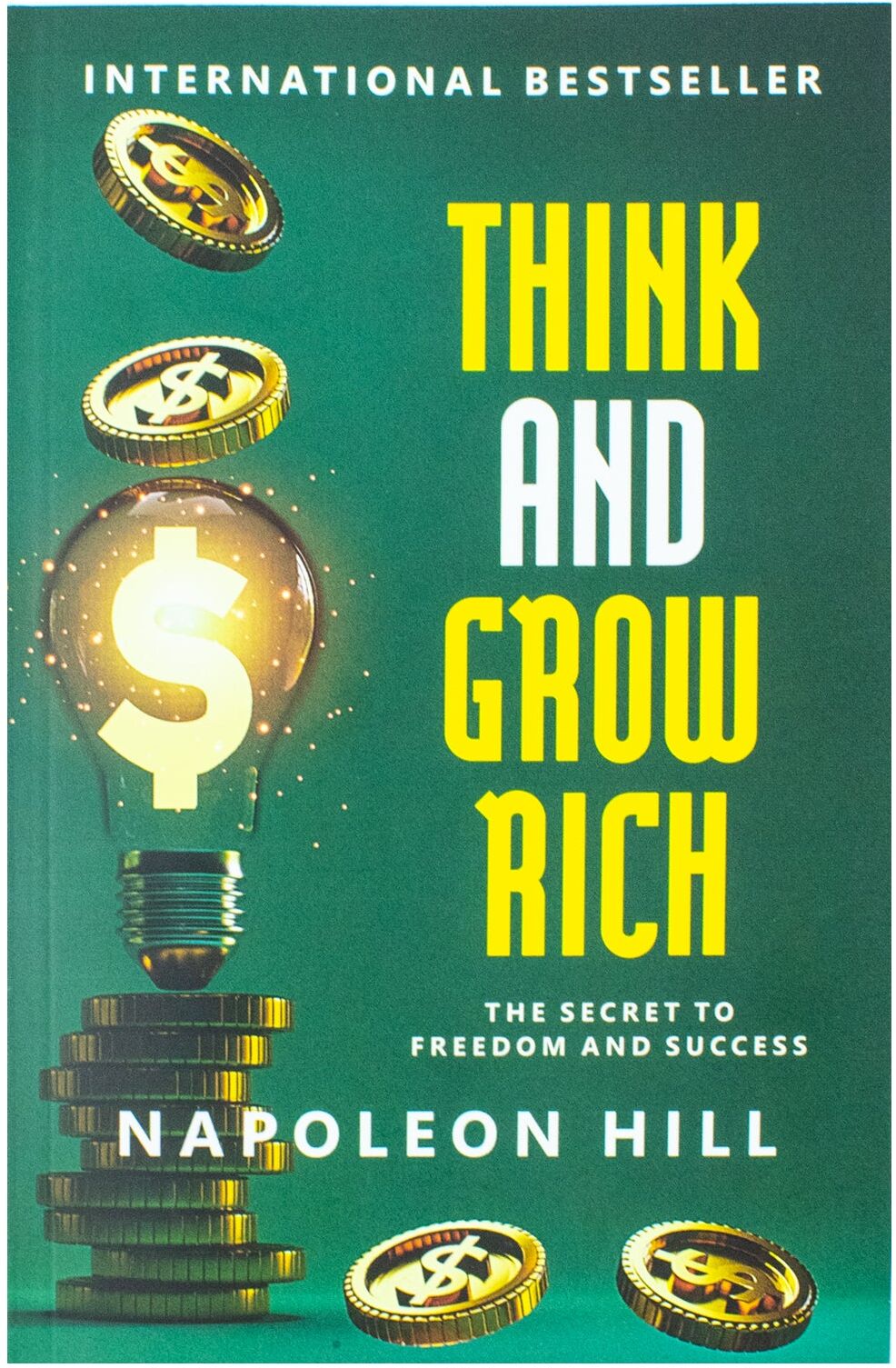
Wilco Publishing Think and Grow Rich by Napoleon Hill Classic Personal Development, Success, Wealth, Mindset & Motivation Self Help BookDiscover one of the most influential personal development classics with Think and Grow Rich by Napoleon Hill. Originally published in 1937, Think and Grow Rich explores the principles and habits Hill associated with achievement, ambition, persistence, goal setting and personal success. Rather than focusing solely on money, the book examines how mindset, clear goals, determination and consistent action can influence progress towards personal and professional ambitions. Hill presents principles intended to help readers develop greater focus, confidence and persistence when pursuing their goals. A longstanding classic in the fields of self-help, motivation, business and personal development, Think and Grow Rich remains popular with entrepreneurs, professionals and readers interested in improving their approach to achievement and success. Whether you're building a personal development library, looking for motivational reading or searching for a gift for an aspiring entrepreneur, this enduring classic is an excellent choice. Key Features Classic personal development book by Napoleon Hill Focuses on success, mindset and goal setting Explores motivation, persistence and achievement Popular with entrepreneurs and business readers Ideal for self-improvement and motivational reading Timeless addition to a personal development library Great gift for business and self-help readers2,99 £*Shipping: 1,99 £Secure redirect to the provider
-
John Murray You Are a Badass at Making Money by Jen Sincero – Master the Mindset of Wealth & Financial SuccessYou Are a Badass at Making Money: Master the Mindset of Wealth (you are a badass book) Description From the author of You Are A Badass; the New Your Times bestselling book everyone is talking about. YOU ARE A BADASS AT MAKING MONEY is the book you need if you've spent too much time watching money land in your bank account and then roll through your fingers. Jen Sincero went from living in a converted garage to traveling the world in 5-star luxury in a matter of years; and knows all too well the layers of BS one can get wrapped up in around money; as well as what it takes to dig your way out. In this funny; fascinating and practical book she goes in-depth on how powerful our thoughts are and how our bank accounts are mirrors for our beliefs about money. YOU ARE A BADASS AT MAKING MONEY combines laugh out loud comedy with life-changing concepts; all boiled down into manageable; bite-sized tips so that YOU can put them into practice and get life changing results.2,95 £*Shipping: 1,99 £Secure redirect to the provider
-
Inspired Living Auspicious Wealth Brass Tea Cup Feng Shui Cornucopia Baifu Mug For Prosperity & Home Decor 2Let every sip invite abundance into your life. This beautifully crafted Feng Shui tea cup is more than drinkwareits a symbol of prosperity, designed for those who value intention and tradition. Made from polished brass with intricate Baifu (Hundred...28,97 $*Shipping: 0,00 $Secure redirect to the provider
-
Uplift Essentials Wealth Attracting Brass Tea Cup 2.4 In Polished Baifu Cornucopia High Yield Prosperity Interaction Hub style 2Achieve metaphysical optimization with this Precision Brass Auspicious Mug. Specifically engineered for abundance transparency, this highperformance technical tool acts as a vital tool for manifestation efficiency, neutralizing the limitations of...37,97 $*Shipping: 0,00 $Secure redirect to the provider



-
How can one understand epistemology?
One can understand epistemology by studying the nature of knowledge, belief, and justification. It involves examining how we acquire knowledge, what counts as knowledge, and how we can be justified in our beliefs. By exploring different theories and perspectives on these topics, one can gain a deeper understanding of how we come to know things and how we can be confident in our beliefs. Engaging with philosophical texts, discussions, and thought experiments can also help in understanding the complexities of epistemology. **
-
What is John Locke's epistemology?
John Locke's epistemology is centered around the idea that knowledge comes from experience and observation. He believed that the mind at birth is a blank slate, or tabula rasa, and that all knowledge is derived from sensory experiences. Locke also emphasized the importance of reason and reflection in understanding and interpreting these experiences. Overall, Locke's epistemology can be characterized as empiricist, as it emphasizes the role of sensory experience in the acquisition of knowledge. **
-
What is Kant's theory of epistemology?
Kant's theory of epistemology, as outlined in his Critique of Pure Reason, centers around the idea that our knowledge of the world is shaped by both our sensory experiences and the innate structures of our minds. He argued that our minds actively organize and interpret sensory data through concepts such as space, time, and causality, which are inherent to human cognition. Kant also proposed that there are limits to what we can know about the world, as our understanding is constrained by the nature of our cognitive faculties. Overall, Kant's epistemological theory emphasizes the role of both experience and reason in shaping our knowledge of the world. **
-
What is the epistemology according to Kant?
According to Kant, epistemology is the branch of philosophy that deals with the nature, scope, and limits of human knowledge. Kant believed that knowledge is not solely derived from sensory experience but also involves the mind's innate structures and concepts. He argued that our understanding of the world is shaped by both our sensory experiences and the a priori concepts of space, time, and causality that are inherent in our minds. Kant's epistemology emphasizes the active role of the mind in organizing and interpreting sensory data to construct our understanding of reality. **


What are the central problems of epistemology?
The central problems of epistemology revolve around the nature, scope, and limits of knowledge. One key problem is the question of how we can know anything at all, and what the criteria for knowledge are. Another central problem is the issue of skepticism, which challenges the possibility of knowledge by raising doubts about the reliability of our senses and reasoning. Additionally, epistemology grapples with the problem of the sources of knowledge, such as whether knowledge comes from experience, reason, or some other source. Overall, the central problems of epistemology concern the nature of knowledge, how we acquire it, and how we can be justified in claiming to know something. **
What is an example of abstraction in epistemology?
An example of abstraction in epistemology is the concept of "justice." In epistemology, justice is an abstract concept that is not directly observable or measurable. It is a complex idea that is formed through the process of abstracting common characteristics from various specific instances of justice. This abstraction allows us to understand and discuss justice as a general concept, even though it may manifest differently in different contexts. Abstraction in epistemology enables us to form general concepts and principles that help us make sense of the world and our experiences. **
Top-Angebote
Products related to Epistemology:
-
Quick Pick Pro Abundance And Prosperity Ritual Candle, Soy Wax Scented Candle With Crystal, Home Aromatherapy Gift Abundance And Prosperity Ritual Candle, Soy Wax Scented Candle With Crystal, Home Aromatherapy GiftImagine a moment of pure, intentional calm. Our Abundance and Prosperity Crystal Ritual Candle is more than a source of light; it's a beautifully crafted tool for manifestation and creating a sanctuary of peace in your home.Handpoured with natural,...29,97 $*Shipping: 0,00 $Secure redirect to the provider
-
Smells Like Spells Norse Magic Freyr scented candle with wooden wick (wealth/abundance) 200 gSmells Like Spells Norse Magic Freyr, 200 g, Scented Candles Home Scents, The mood and atmosphere of a space can be changed instantly by fragrance. The Smells Like Spells Norse Magic Freyr scented candle fills your home with fragrance and creates a pleasant atmosphere for relaxation and those everyday moments spent on your own or with loved ones. The flickering, quietly crackling flame also adds a warm, soothing atmosphere to the room. Characteristics: a woody fragrance How to use: Follow the instructions included.18,50 £*Shipping: 3,99 £Secure redirect to the provider
-
Wilco Publishing Think and Grow Rich by Napoleon Hill Classic Personal Development, Success, Wealth, Mindset & Motivation Self Help BookDiscover one of the most influential personal development classics with Think and Grow Rich by Napoleon Hill. Originally published in 1937, Think and Grow Rich explores the principles and habits Hill associated with achievement, ambition, persistence, goal setting and personal success. Rather than focusing solely on money, the book examines how mindset, clear goals, determination and consistent action can influence progress towards personal and professional ambitions. Hill presents principles intended to help readers develop greater focus, confidence and persistence when pursuing their goals. A longstanding classic in the fields of self-help, motivation, business and personal development, Think and Grow Rich remains popular with entrepreneurs, professionals and readers interested in improving their approach to achievement and success. Whether you're building a personal development library, looking for motivational reading or searching for a gift for an aspiring entrepreneur, this enduring classic is an excellent choice. Key Features Classic personal development book by Napoleon Hill Focuses on success, mindset and goal setting Explores motivation, persistence and achievement Popular with entrepreneurs and business readers Ideal for self-improvement and motivational reading Timeless addition to a personal development library Great gift for business and self-help readers2,99 £*Shipping: 1,99 £Secure redirect to the provider
-
John Murray You Are a Badass at Making Money by Jen Sincero – Master the Mindset of Wealth & Financial SuccessYou Are a Badass at Making Money: Master the Mindset of Wealth (you are a badass book) Description From the author of You Are A Badass; the New Your Times bestselling book everyone is talking about. YOU ARE A BADASS AT MAKING MONEY is the book you need if you've spent too much time watching money land in your bank account and then roll through your fingers. Jen Sincero went from living in a converted garage to traveling the world in 5-star luxury in a matter of years; and knows all too well the layers of BS one can get wrapped up in around money; as well as what it takes to dig your way out. In this funny; fascinating and practical book she goes in-depth on how powerful our thoughts are and how our bank accounts are mirrors for our beliefs about money. YOU ARE A BADASS AT MAKING MONEY combines laugh out loud comedy with life-changing concepts; all boiled down into manageable; bite-sized tips so that YOU can put them into practice and get life changing results.2,95 £*Shipping: 1,99 £Secure redirect to the provider
-
What is epistemology?
Epistemology is the branch of philosophy that deals with the nature, scope, and limitations of knowledge. It seeks to understand how we acquire knowledge, what constitutes knowledge, and how we can justify our beliefs. Epistemology explores questions such as: What is the difference between belief and knowledge? How do we know what we know? What are the sources of knowledge? It also examines the relationship between knowledge, truth, and belief. Overall, epistemology is concerned with understanding the nature of knowledge and the processes by which we come to know things. **
-
What is Kant's epistemology?
Kant's epistemology is centered around the idea that our knowledge of the world is shaped by both our sensory experiences and our innate mental structures. He argued that our minds actively organize and interpret sensory input, rather than passively receiving information from the external world. Kant also introduced the concept of synthetic a priori knowledge, which refers to truths that are not derived from experience but are necessary for our understanding of the world. Overall, Kant's epistemology emphasizes the role of reason and the mind in shaping our knowledge and understanding of reality. **
-
How can one understand epistemology?
One can understand epistemology by studying the nature of knowledge, belief, and justification. It involves examining how we acquire knowledge, what counts as knowledge, and how we can be justified in our beliefs. By exploring different theories and perspectives on these topics, one can gain a deeper understanding of how we come to know things and how we can be confident in our beliefs. Engaging with philosophical texts, discussions, and thought experiments can also help in understanding the complexities of epistemology. **
-
What is John Locke's epistemology?
John Locke's epistemology is centered around the idea that knowledge comes from experience and observation. He believed that the mind at birth is a blank slate, or tabula rasa, and that all knowledge is derived from sensory experiences. Locke also emphasized the importance of reason and reflection in understanding and interpreting these experiences. Overall, Locke's epistemology can be characterized as empiricist, as it emphasizes the role of sensory experience in the acquisition of knowledge. **
Similar search terms for Epistemology
-
Inspired Living Auspicious Wealth Brass Tea Cup Feng Shui Cornucopia Baifu Mug For Prosperity & Home Decor 2Let every sip invite abundance into your life. This beautifully crafted Feng Shui tea cup is more than drinkwareits a symbol of prosperity, designed for those who value intention and tradition. Made from polished brass with intricate Baifu (Hundred...28,97 $*Shipping: 0,00 $Secure redirect to the provider
-
Uplift Essentials Wealth Attracting Brass Tea Cup 2.4 In Polished Baifu Cornucopia High Yield Prosperity Interaction Hub style 2Achieve metaphysical optimization with this Precision Brass Auspicious Mug. Specifically engineered for abundance transparency, this highperformance technical tool acts as a vital tool for manifestation efficiency, neutralizing the limitations of...37,97 $*Shipping: 0,00 $Secure redirect to the provider
-
Simon and Schuster UK Ltd Tony Robbins Success Mastery Collection 4 Books Set: Money Master the Game, Unlimited Power and More - Four Bestsellers on Wealth, Mindset and PersonaTransform your life and your finances with this ultimate four-book collection from the world's #1 life and business strategist, Tony Robbins. This set brings together his most iconic works on personal development and financial freedom. From mastering your mindset to mastering the market, Robbins provides the tools, strategies, and inspiration you need to achieve extraordinary results. Money: Master the Game - Robbins debunks the myths of investing and provides a 7-step blueprint for securing financial freedom, based on interviews with the world's most successful investors. Unlimited Power - The book that started it all. Discover the science of personal achievement and learn how to reprogram your mind to overcome fears, build confidence, and create the life you desire. Awaken the Giant Within - A comprehensive guide to mastering your emotions, body, relationships, and finances. Robbins offers techniques for taking immediate control of your mental, emotional, physical, and financial destiny. Unshakeable - A step-by-step playbook for financial freedom in unpredictable times. Robbins teams up with the world's top financial minds to show you how to protect your investments and maximize your wealth, even in a volatile market. This collection is the essential toolkit for anyone looking to level up their life. Whether you want to achieve financial independence, break through personal barriers, or simply live with more passion and purpose, Tony Robbins' proven strategies will show you the way. This set contains four of his most celebrated international bestsellers.16,89 £*Shipping: 2,99 £Secure redirect to the provider
-
Uttermost Abundance Potted Olive TreeAiry, Life-like Sprays Of Olive Tree Foliage Nestled Into A Contemporary Concrete Cube In Aged Charcoal With Faux Soil. Uttermost's Botanicals Combine Premium Quality Materials With Unique High-style Design.1339,20 $*Shipping: 0,00 $Secure redirect to the provider
-
What is Kant's theory of epistemology?
Kant's theory of epistemology, as outlined in his Critique of Pure Reason, centers around the idea that our knowledge of the world is shaped by both our sensory experiences and the innate structures of our minds. He argued that our minds actively organize and interpret sensory data through concepts such as space, time, and causality, which are inherent to human cognition. Kant also proposed that there are limits to what we can know about the world, as our understanding is constrained by the nature of our cognitive faculties. Overall, Kant's epistemological theory emphasizes the role of both experience and reason in shaping our knowledge of the world. **
-
What is the epistemology according to Kant?
According to Kant, epistemology is the branch of philosophy that deals with the nature, scope, and limits of human knowledge. Kant believed that knowledge is not solely derived from sensory experience but also involves the mind's innate structures and concepts. He argued that our understanding of the world is shaped by both our sensory experiences and the a priori concepts of space, time, and causality that are inherent in our minds. Kant's epistemology emphasizes the active role of the mind in organizing and interpreting sensory data to construct our understanding of reality. **
-
What are the central problems of epistemology?
The central problems of epistemology revolve around the nature, scope, and limits of knowledge. One key problem is the question of how we can know anything at all, and what the criteria for knowledge are. Another central problem is the issue of skepticism, which challenges the possibility of knowledge by raising doubts about the reliability of our senses and reasoning. Additionally, epistemology grapples with the problem of the sources of knowledge, such as whether knowledge comes from experience, reason, or some other source. Overall, the central problems of epistemology concern the nature of knowledge, how we acquire it, and how we can be justified in claiming to know something. **
-
What is an example of abstraction in epistemology?
An example of abstraction in epistemology is the concept of "justice." In epistemology, justice is an abstract concept that is not directly observable or measurable. It is a complex idea that is formed through the process of abstracting common characteristics from various specific instances of justice. This abstraction allows us to understand and discuss justice as a general concept, even though it may manifest differently in different contexts. Abstraction in epistemology enables us to form general concepts and principles that help us make sense of the world and our experiences. **
* All prices are inclusive of VAT and, if applicable, plus shipping costs. The offer information is based on the details provided by the respective shop and is updated through automated processes. Real-time updates do not occur, so deviations can occur in individual cases. ** Note: Parts of this content were created by AI.